
Completion requirements
Late adulthood, or old age, begins around 65 years and is characterized by gradual physical decline, retirement, and reflection on life achievements. It is also a period of continued learning, adaptation, and the search for meaning and life satisfaction.
1. Physical development in late adulthood
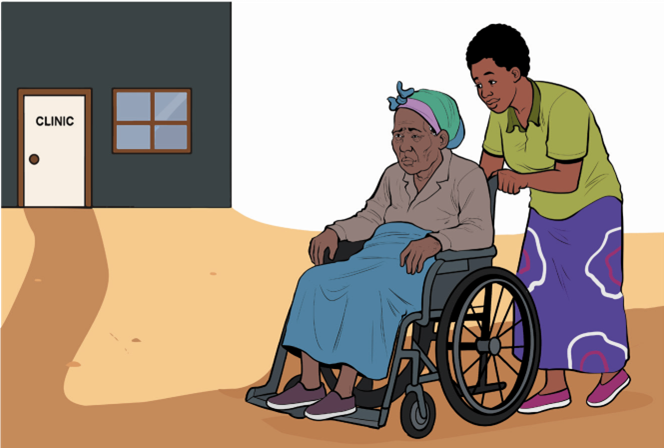
Figure: Old age
Late adulthood is considered to extend from the 60s on. This is the last stage of physical change. The skin continues to lose elasticity, reaction time slows further, and muscle strength diminishes. Smell, taste, hearing, and vision, so sharp in our twenties, decline significantly. The brain may also no longer function at optimal levels, leading to problems like memory loss, dementia, and Alzheimer’s disease in later years.
Physical changes become more pronounced, including reduced muscle mass and strength, decreased bone density, slower reflexes, and sensory impairments (vision, hearing). Chronic health conditions may arise, requiring ongoing medical care and lifestyle adjustments.
Late adulthood people tend to have a disease or become seriously ill. They suffer from elevated heart rate and blood pressure, which are related to heart disease in old age, Some other physical impairment at age 80 is related to Alzheimer’s disease. Alzheimer’s disease is a degenerative, irreversible brain disorder that impairs memory and social behaviors.
Background Colour
Font Face
Font Kerning
Font Size
1
Image Visibility
Letter Spacing
0
Line Height
1.2
Link Highlight
Text Alignment
Text Colour