Section 3.6 Late adulthood or old age (65+ years)
| Site: | UR - Elearning Platform |
| Course: | CD60143: Human Developmental Psychology |
| Book: | Section 3.6 Late adulthood or old age (65+ years) |
| Printed by: | Guest user |
| Date: | Friday, 19 December 2025, 7:14 AM |
Description
Late adulthood, or old age, begins around 65 years and is characterized by gradual physical decline, retirement, and reflection on life achievements. It is also a period of continued learning, adaptation, and the search for meaning and life satisfaction.
Table of contents
- 1. Physical development in late adulthood
- 2. Cognitive development in late adulthood
- 3. Psychosocial development in late adulthood
- 4. Moral development in late adulthood
- 5. Attachment and social relationships in late adulthood
- 6. Language development in late adulthood
- 7. Educational implications: A guide for teachers
1. Physical development in late adulthood
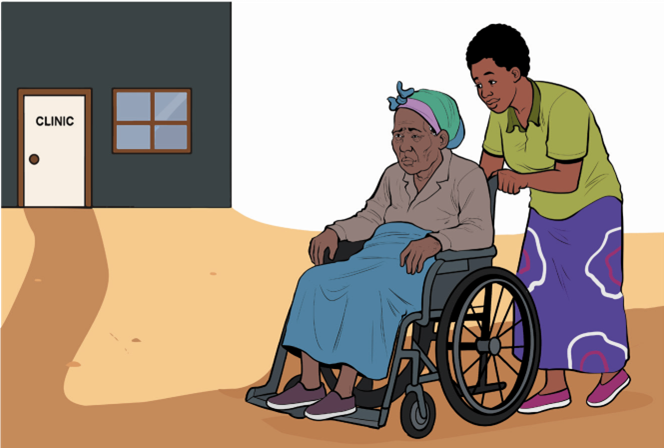
Figure: Old age
Late adulthood is considered to extend from the 60s on. This is the last stage of physical change. The skin continues to lose elasticity, reaction time slows further, and muscle strength diminishes. Smell, taste, hearing, and vision, so sharp in our twenties, decline significantly. The brain may also no longer function at optimal levels, leading to problems like memory loss, dementia, and Alzheimer’s disease in later years.
Physical changes become more pronounced, including reduced muscle mass and strength, decreased bone density, slower reflexes, and sensory impairments (vision, hearing). Chronic health conditions may arise, requiring ongoing medical care and lifestyle adjustments.
Late adulthood people tend to have a disease or become seriously ill. They suffer from elevated heart rate and blood pressure, which are related to heart disease in old age, Some other physical impairment at age 80 is related to Alzheimer’s disease. Alzheimer’s disease is a degenerative, irreversible brain disorder that impairs memory and social behaviors.
2. Cognitive development in late adulthood
Cognitive abilities such as vocabulary and accumulated knowledge often remain stable or improve. Some decline may occur in processing speed, working memory, and the ability to learn new information. Conditions like dementia and Alzheimer’s disease affect a portion of the elderly population, impacting memory and cognition. Lifelong learning and mental stimulation can help maintain cognitive functioning.
3. Psychosocial development in late adulthood
Late adulthood is associated with Erik Erikson’s final stage of psychosocial development: ego integrity vs. despair. During this stage, individuals reflect on their lives, evaluating whether they have lived meaningfully and stayed true to their values. If they feel a sense of satisfaction and accept their life’s journey, both the successes and the failures, they achieve ego integrity, which brings feelings of fulfillment, peace, and wisdom. However, if they are overwhelmed by regrets, missed opportunities, or a sense that life lacked purpose, they may experience despair, marked by bitterness, sadness, or fear of death. Maintaining strong social connections, leaving behind a positive legacy, and reaching a level of self-acceptance are essential for emotional well-being in this stage.
4. Moral development in late adulthood
In late adulthood, moral reasoning often becomes deeper and more reflective, focusing on universal ethical principles such as justice, compassion, honesty, and respect for human dignity. Older adults tend to move beyond rigid rules or societal expectations and instead make moral decisions based on a lifetime of experiences and a broader understanding of right and wrong. They often serve as moral role models or mentors, sharing values, traditions, and important life lessons with younger generations. This role allows them to contribute meaningfully to society and feel a sense of purpose. Additionally, with age and experience, older adults may develop greater tolerance, empathy, and understanding when judging others’ actions, recognizing the complexity of human behavior and the importance of compassion in moral decision-making.
5. Attachment and social relationships in late adulthood
In late adulthood, relationships with family members, friends, and caregivers become especially important, as they offer emotional support, companionship, and a sense of belonging. These social connections help older adults cope with life changes, provide comfort during difficult times, and contribute to feelings of being valued and loved. However, this stage of life often brings the loss of loved ones such as a spouse, close friends, or siblings which can lead to grief, loneliness, and even depression. Social isolation, particularly when combined with physical decline or limited mobility, can negatively affect mental and emotional health. On the other hand, staying socially engaged through community involvement, hobbies, family interactions, or support groups has been shown to improve mood, reduce the risk of cognitive decline, and enhance overall quality of life. Maintaining strong emotional bonds and a sense of connection is essential for well-being in late adulthood.
6. Language development in late adulthood
Language abilities generally remain intact, though speech may slow, and word retrieval can be more effortful. Older adults often use language to share stories, wisdom, and life experiences. Communication remains vital for social connection and cognitive health.
7. Educational implications: A guide for teachers
a. Prenatal Period: Teachers need to be aware that some learning or behavioural challenges in children may stem from prenatal factors such as malnutrition, infections, or exposure to harmful substances. Early detection and referral for support are essential. Understanding these risks fosters patience and flexibility in instruction, especially for learners showing developmental delays.
b. Infancy and Early Childhood: Teaching should focus on play-based, sensory, and visually engaging activities to match developmental abilities. Teachers must be familiar with developmental milestones to recognize delays in motor skills, language, or attention and respond with early intervention. Social and emotional nurturing is vital; creating a safe and consistent environment helps build trust, emotional regulation, and confidence.
c. Middle Childhood: Children in this stage benefit from structured learning that supports logical thinking and problem-solving. Teachers should provide opportunities for group work, hands-on learning, and cooperative tasks. Instructions must be differentiated, using varied materials and strategies to meet learners at different developmental levels. Physical development can be supported through activities that enhance fine and gross motor coordination.
d. Adolescence: Adolescents seek identity, independence, and peer acceptance. Teachers should promote open communication, allow self-expression (e.g., debates, creative activities), and guide decision-making respectfully. Emotional support and encouragement of social interaction help adolescents navigate this challenging stage while fostering self-awareness and responsibility.
e. Early Adulthood: In post-secondary or adult learning contexts, teaching should address student’s goals for independence, career growth, and relationships. Educators can support these learners through career guidance, emotional literacy, and opportunities for meaningful engagement (e.g., internships, community projects).
f. Middle Adulthood: Learners in this stage may balance family, work, and self-development. Education should be flexible and acknowledge their life experience. Offering wellness programs, professional development, and reflective learning opportunities supports both personal and professional growth.
g. Late Adulthood: Learning opportunities should respect the dignity and lived experience of older adults. Strategies like storytelling, intergenerational activities, and social inclusion help maintain cognitive function, purpose, and connection. Programs should be accessible, meaningful, and adapted to physical and cognitive changes.
In conclusion, understanding the developmental needs at each stage allows educators to create responsive, inclusive, and effective learning environments. Education becomes not just a tool for knowledge, but a lifelong support system that nurtures human growth, dignity, and potential at every age.
Background Colour
Font Face
Font Kerning
Font Size
Image Visibility
Letter Spacing
Line Height
Link Highlight
Text Alignment
Text Colour