
Completion requirements
Post-natal development refers to the physical, cognitive, emotional, and social changes that occur after birth and continue throughout a person’s life. This development is generally divided into several stages, including infancy, early childhood, middle and late childhood, adolescence, and adulthood. Each stage is characterized by distinct growth patterns and developmental milestones. In this unit, however, we will focus specifically on postnatal development from infancy through late childhood. This includes infancy, which spans from birth to two years; early childhood, from around two or three years up to six or seven years; and middle to late childhood, from seven to twelve years.
3. Middle and late childhood (6-12 years)
3.1. Physical development in middle and late childhood
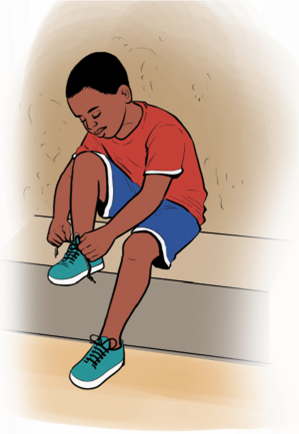
Figure: Physical Milestones during Middle and Late Childhood
During the school-age years, typically between the ages of 6 and 12, children experience steady and continuous physical growth. Unlike the rapid changes seen in infancy and toddlerhood, this stage is marked by moderate but consistent increases in height and weight. A noticeable aspect of this growth is that the arms and legs grow more rapidly than the rest of the body, making children appear taller and more proportionate compared to their earlier years. This gradual growth pattern serves as a foundation for the more dramatic changes that occur later during puberty.
Alongside these physical changes, children also develop stronger muscles and improved coordination, which enhances their ability to perform physical tasks. They become more skilled at activities such as running, jumping, and throwing, and their balance, agility, and motor control allow them to participate more effectively in sports, games, and other physical exercises. This period is essential for developing physical fitness, body confidence, and refining gross motor skills. Additionally, children begin to lose their primary teeth around age 6, which are gradually replaced by permanent adult teeth, marking another key milestone in physical development.
Background Colour
Font Face
Font Kerning
Font Size
1
Image Visibility
Letter Spacing
0
Line Height
1.2
Link Highlight
Text Alignment
Text Colour